

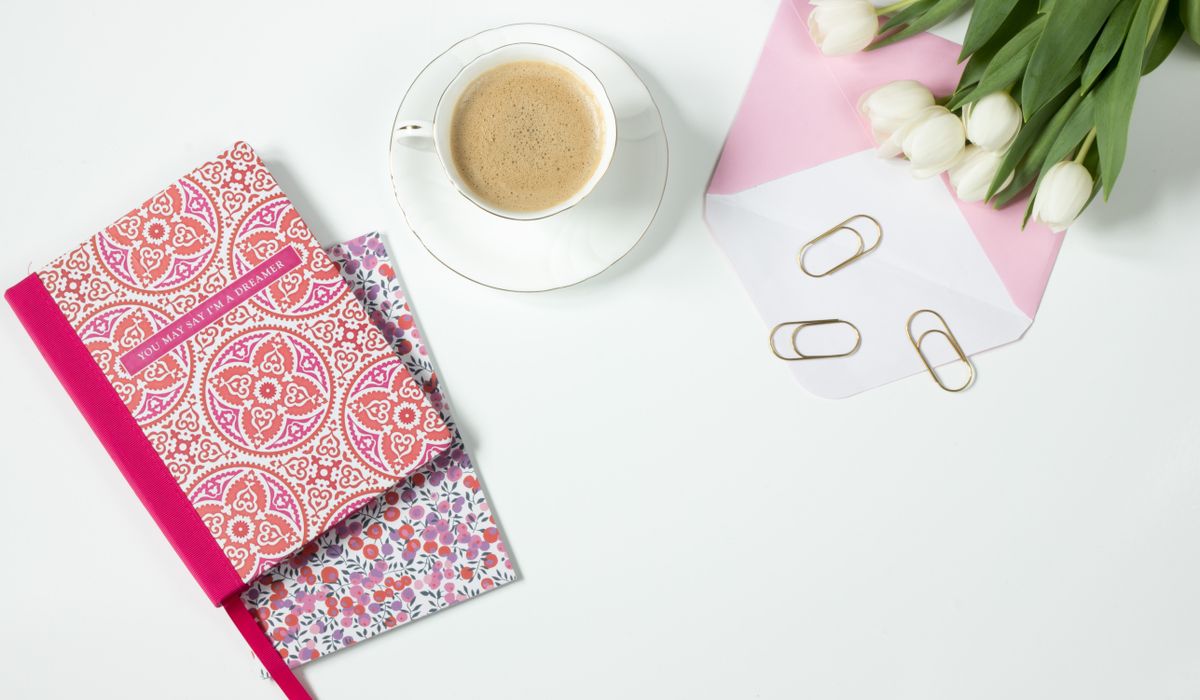
Breaking in a New Fountain Pen Without Damaging the Nib
Why a New Nib Rarely Writes Its Best on Day One
There is a lovely moment when a new fountain pen comes out of its box, and a slightly disappointing one about ten minutes later when the first line comes out thin, dry or faintly scratchy. This is normal, and it is almost never the pen's fault. New nibs arrive with traces of manufacturing oils, protective waxes and residue from factory testing still clinging to the slit and feed. The feed channels, which carry ink from the reservoir to the tip, also need a little time to become properly wetted.
So what people call "breaking in" a pen is really two things happening at once: cleaning away what should not be there, and coaxing ink to flow reliably through a system that has never held ink before. Nibs themselves do settle slightly over the first few weeks of use, as the tines ease into the angle and pressure of your hand, but the dramatic improvement you notice in the first day or two comes from a good flush and a patient first fill. Get those right and you will rarely need to do anything else.
Flush Before You Fill: Five Minutes Well Spent
Resist the urge to fill straight from the bottle. Flush the pen first, even if it arrived with a cartridge fitted.
- Mix a cupful of lukewarm water with a single drop of mild washing-up liquid. Hot water can distort feeds and soften sealing waxes, so keep it tepid.
- Fit the converter and draw the solution up and push it out eight to ten times. You are not trying to fill the pen, just to move fluid briskly through the feed.
- Repeat with clean water until the expelled water runs clear, then shake out the excess and stand the pen nib-down on a folded kitchen towel for ten minutes.
- If your pen takes cartridges only, a bulb syringe from a pharmacy, held against the back of the section, does the same job neatly. Avoid blowing into the pen with your mouth; breath carries moisture and mould spores.
Ideally, leave the pen to dry overnight with the nib resting on paper towel. A trace of water left in the feed will dilute your first fill and make the ink look washed out, which sends people hunting for problems that do not exist.
The First Fill: Slow and Shallow Beats Fast and Full
When the pen is dry, fit the converter and lower the nib into the ink until the breather hole, the small round opening above the tip, is just submerged. Drawing ink up slowly wets the feed evenly, whereas a rapid fill can leave air pockets trapped in the channels.
- Fill, then expel the ink back into the bottle and fill again. Do this three times before your final fill. It feels fussy; it is the single best cure for a pen that skips on the first page.
- Wipe the nib gently with a soft tissue, drawing away from the tip rather than across the slit, so you do not snag the tines.
- With a cartridge, push it firmly until it seats, then hold the pen nib-up and give the cartridge a single gentle squeeze. Wait a minute or two, nib-down, before writing.
For a first fill, choose a well-behaved dye-based ink in a mid-tone rather than a shimmering or pigment-heavy one. Shimmer particles and pigments are wonderful, but they disguise flow problems rather than revealing them.
Your First Page: Light Hands and Good Paper
Write a full page of loops, figure eights and zigzags before you attempt anything you care about. Hold the pen at roughly forty to fifty degrees to the paper, resting it in the web of your hand, and let its own weight do the work. Pressure is the enemy here. Bearing down spreads the tines, increases flow and can leave a nib permanently sprung; a fountain pen should feel like a wet brush, not a ballpoint.
Paper matters more than most people expect. A smooth, coated writing paper lets the nib glide and shows the ink's true colour. Rough recycled stock and cheap copier paper shed fibres that clog the slit, and they make even a superb nib feel like a nail.
Reading the Warning Signs
- Skipping on the first stroke, then fine: the feed is still saturating. Write another half page before worrying.
- Faint and dry throughout: flush again and refill. If it persists, the nib and feed may be seated slightly proud of one another.
- Scratchy in one direction only: the tines are misaligned. On a new pen this is a fault, not a project. Return it rather than reaching for abrasives.
- Gushing and blobbing: usually air getting in past a loose cartridge or a converter that needs pushing home.
What you should not do in the first month is press the nib to spread the tines, run it over micromesh, or soak it in alcohol. All three cause damage that is difficult and sometimes impossible to reverse.
Small Habits That Keep a Nib Sweet
Cap the pen whenever you pause, even for a minute, and store it nib-up. Write on a pad of decent paper rather than the back of an envelope. Rinse the pen every four to eight weeks, or whenever you change ink colour, and always flush it before putting it away for more than a fortnight. Keep it out of hot cars and away from radiators, and think twice before lending it to a friend who writes with a heavy hand.
Looked after this way, a good nib improves for years. That first tentative page is simply the beginning of a long and rather lovely acquaintance.


Notebooks
-
Short prompts can make morning journaling feel achievable, helping you clear your head before the demands of the day begin.

Pens


-

Long established fact that a reader will be distracted
-

Long established fact that a reader will be distracted
-

Long established fact that a reader will be distracted


Journaling
Karla Gleichauf
12 May 2017 at 05:28 pm
On the other hand, we denounce with righteous indignation and dislike men who are so beguiled and demoralized by the charms of pleasure of the moment
M Shyamalan
12 May 2017 at 05:28 pm
On the other hand, we denounce with righteous indignation and dislike men who are so beguiled and demoralized by the charms of pleasure of the moment
Liz Montano
12 May 2017 at 05:28 pm
On the other hand, we denounce with righteous indignation and dislike men who are so beguiled and demoralized by the charms of pleasure of the moment