

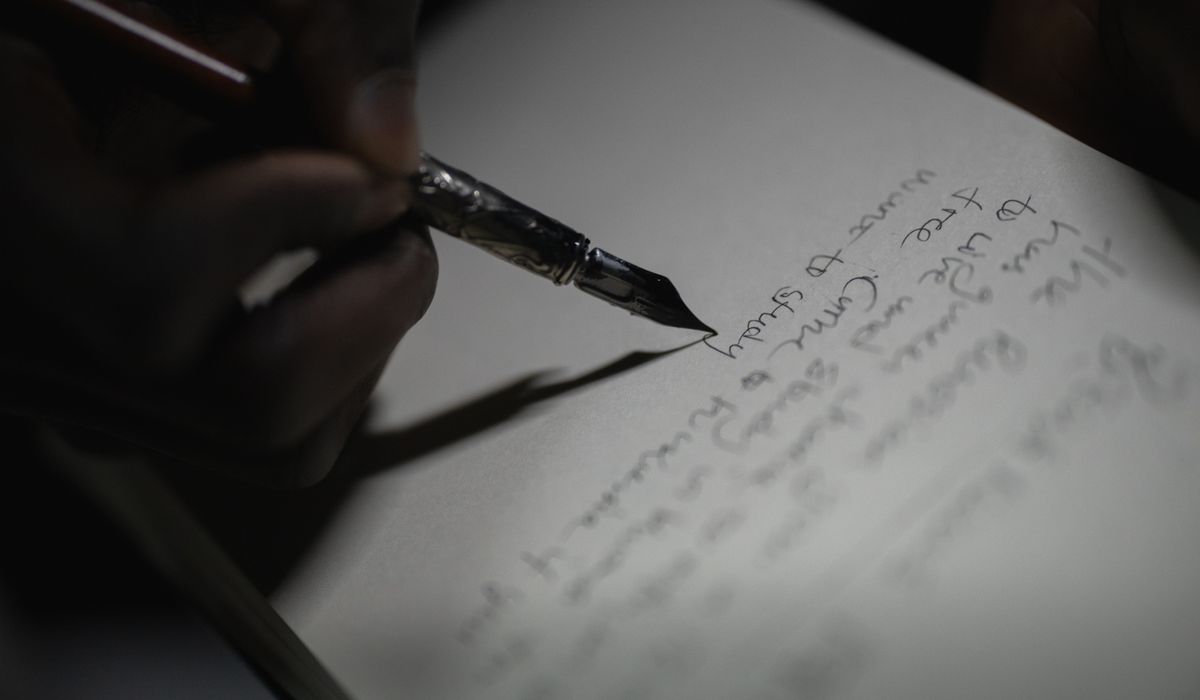
Organising Stationery Supplies in Small Living Spaces
Stationery has a quiet way of taking over a small flat. One drawer becomes three, washi tape migrates to the kitchen table, and suddenly you are hunting for a black fineliner while standing on a stack of sketchbooks. The good news is that a limited footprint forces better decisions than a whole spare room ever would. The aim is not to hide your supplies away, but to sort them so that the things you use most are closest to hand.
Start With an Honest Sort, Not a Shopping Trip
Before you buy a single basket, empty one shelf or drawer at a time and group everything into three piles. Doing this in short bursts stops the whole flat ending up covered in paper clips.
- Everyday: the pens you actually write with, your current journal, the tape you use on birthday cards, your everyday scissors.
- Occasional: spare notebooks, a set of coloured fineliners, refills, envelope seals, a hole punch.
- Rarely: the calligraphy set from a hobby phase, old exam notes, three dried-up glitter glues.
Test every pen on a scrap of paper as you go. A jar of pens that do not write is not a stationery collection, it is ballast, and in a small flat ballast costs you dearly. Be equally firm about duplicates: you need one good pair of scissors, not four mediocre ones.
Use the Vertical Space You Already Have
Floor space is the scarcest resource in a small home, yet walls and doors are usually bare. Look up before you look out.
- A shallow floating shelf, around 12 to 15 centimetres deep, above a desk holds pen pots and small jars. Anything deeper slowly fills with clutter you never touch.
- A magnetic strip fixed to the side of a bookcase grips scissors, clips and metal rulers without using a centimetre of surface.
- An over-door organiser with clear pockets is ideal for tubes of wrapping paper, rolls of kraft paper and flat pads.
- A pegboard panel behind a desk, roughly 60 by 90 centimetres, takes hooks and small pots that can be rearranged whenever your habits change.
The test for any vertical storage is simple: can you reach it without a chair? If not, it should only hold the rarely-used pile.
Pick Containers That Show What's Inside
Opacity is the enemy of a tidy desk. If you cannot see what a box holds, you will buy a second roll of the same tape, then a third.
- A cutlery tray or ice cube tray in a shallow drawer separates gel pens, fineliners and brush pens at a glance.
- Old biscuit tins work beautifully for refills and clips, but label the lid with a strip of masking tape and a marker.
- Thread washi tape onto a wooden dowel or a large book ring and stand it upright in a corner. It takes up almost no space and looks cheerful rather than chaotic.
- Magazine files hold A4 pads, colouring books and sheet music upright so nothing warps at the edges.
- Clear zip pouches, the kind sold for travel, keep small kits together: one for lettering, one for card-making, one for mending paper tears and tears in books.
Keep Daily Tools Within Arm's Reach
The things you use every day deserve the best real estate: the desk surface, the bedside table, the top drawer. Everything else can travel further away. A single pen pot, one small tray for clips and a pad of sticky notes is usually enough.
Try the rule of one. One pen pot on the desk. One tape dispenser in the flat. One current journal, with the previous one already moved to storage. Duplicates are what make small spaces feel cramped, not the supplies themselves. If you journal in bed, give yourself a small tin or fabric pouch that holds a pen, a highlighter and a bookmark, and let it live on the bedside table.
Store the Rest Out of Sight, but Not Out of Mind
Under-bed storage is the quiet hero of a small flat. Choose shallow boxes, no more than 15 centimetres deep, so they slide easily and never become a mystery. Group them by craft rather than by colour or brand: card-making, scrapbooking, calligraphy, letter-writing.
Label each box on the short end, the side you see when it is pushed under the bed. Then write a quick inventory on the inside of the lid, so you know what is in there without pulling everything out. Paper and glue dislike heat and damp, so keep boxes away from radiators, windowsills and bathroom walls. A few silica gel sachets tucked into boxes that stay closed for months will keep sheets flat and dry.
A Ten-Minute Reset Keeps It Working
Any storage system drifts. A short weekly reset is far easier than a seasonal overhaul. Spend ten minutes returning stray pens, binning anything that no longer works, and putting tapes and clips back where they belong.
Once a month, tip out the everyday pen pot and remove anything you have not used since the last check. Then look at your occasional and rarely-used boxes and ask whether they still earn their space. A well-organised small flat is not one with perfect shelves. It is one where you can find a black fineliner in ten seconds and still have room on the desk to use it.


Notebooks
-
The ruling on a notebook page affects handwriting, sketching and layout, so compare options before committing to a new journal.

Pens



-

Long established fact that a reader will be distracted
-

Long established fact that a reader will be distracted
-

Long established fact that a reader will be distracted



Journaling
Karla Gleichauf
12 May 2017 at 05:28 pm
On the other hand, we denounce with righteous indignation and dislike men who are so beguiled and demoralized by the charms of pleasure of the moment
M Shyamalan
12 May 2017 at 05:28 pm
On the other hand, we denounce with righteous indignation and dislike men who are so beguiled and demoralized by the charms of pleasure of the moment
Liz Montano
12 May 2017 at 05:28 pm
On the other hand, we denounce with righteous indignation and dislike men who are so beguiled and demoralized by the charms of pleasure of the moment