

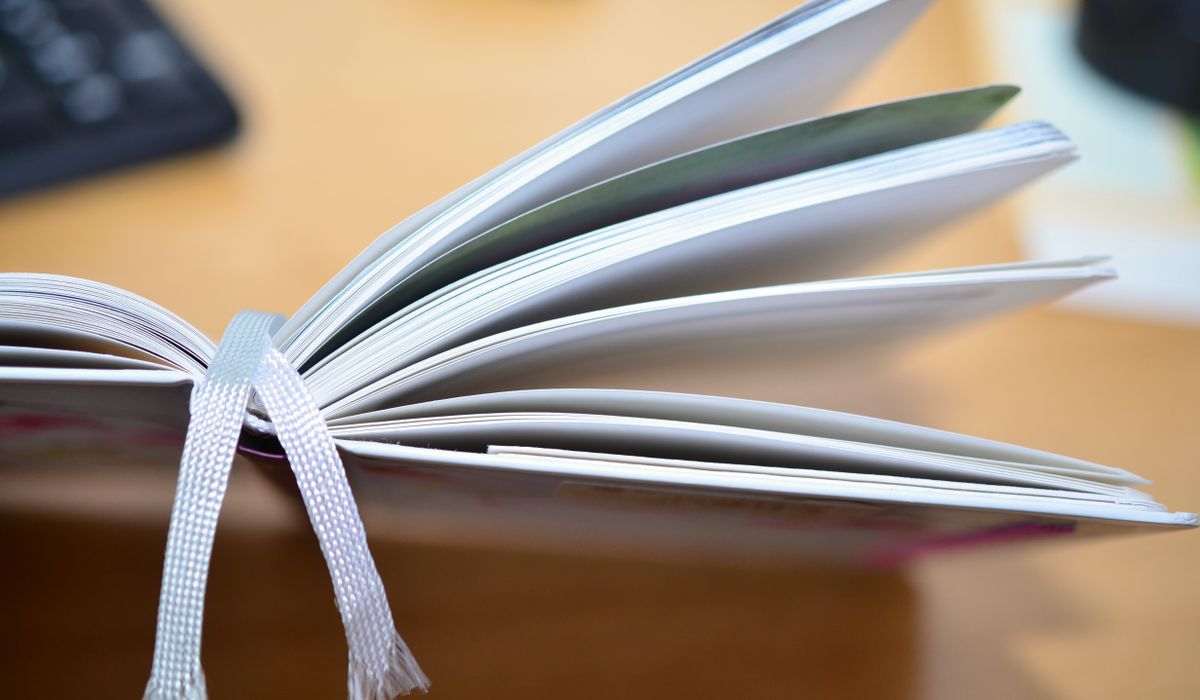
A Beginner's Guide to Writing a Thoughtful Letter
Why a letter feels different
A letter asks something of you: time, a steady hand, and a decision about what matters enough to put on paper. That is exactly why it lands so warmly. An email arrives in a crowd; a letter arrives alone on the mat, written in your own hand, and it gets read twice — once quickly, and once slowly. The good news is that writing a thoughtful letter is a craft rather than a talent. A handful of habits will carry you a long way, even if the last thing you wrote by hand was a thank-you card at primary school.
Gather your materials before you write
You do not need an heirloom fountain pen. You need tools that let you write comfortably for twenty minutes without fighting them.
- Paper: writing paper of around 90–100gsm takes ink without feathering or bleeding through. Lined paper is a kindness to your handwriting; plain paper suits short notes better than long ones.
- A pen you trust: a smooth gel pen, a 0.5mm fine-liner, or a fountain pen with a medium nib. Test it on a scrap first — skipping and blobbing are the two great letter-ruiners.
- An envelope that fits: check before you fall in love with a folded format. A sheet folded into quarters fits a standard C6 envelope; a sheet folded in half needs a C5.
- A stamp and your return address, waiting on the desk. Letters are delayed far more often by good intentions than by the post.
Start with something true and specific
Avoid opening with "How are you? I hope this finds you well" and then trailing off. Begin with the reason you sat down: a thing you saw, a memory that surfaced, a piece of news you have been saving up. "I walked past the allotments on Sunday and thought of the summer you grew more courgettes than anyone could eat" gives your reader a picture and a reason to smile before they reach line three.
Put the date at the top right. It anchors the letter in time and offers a small, pleasing fact: this was written on a Tuesday evening, in the rain, because of you.
Fill the middle with specifics rather than summaries
Vague news is hard to reply to. "Work is busy" ends a conversation; "I have inherited a spreadsheet nobody else understands and I have started talking to it" invites one. Choose two or three small, concrete things from the past month and give each a sentence or two:
- Something that changed — a new route to walk, a repaired fence, a neighbour's dog that has adopted your front step.
- Something you made, cooked, read, planted or mended, with one honest detail about how it went.
- Something that made you think of them, and why.
- One small difficulty, if you feel like sharing it. Letters do not have to be highlight reels.
Aim for one side of A5, or two sides at most. Roughly 250 to 400 handwritten words is a generous letter. Longer than that and the reply begins to feel like homework.
Ask questions that are easy to answer
The trick to a letter that gets answered is making the reply feel light. Broad questions such as "How are things?" require the recipient to summarise their whole life; specific ones simply ask them to remember something.
- Ask about something you already know they care about: "Is the choir still meeting on Thursdays?"
- Offer options rather than open ground: "Are you still swimming at the weekend, or has that drifted?"
- Share first, then ask. "I have finally finished the quilt — what are you making at the moment?" is far easier to answer than a bare question.
- Ask two or three questions at most. Any more and the letter becomes a form to fill in.
Close warmly, then actually post it
Sign off in a way that sounds like you, whether that is "with love", "warmly" or "write back when you have a quiet evening". A postscript is a lovely place for the smallest, most human detail — a line about the weather, a joke you forgot to include, or one final question. It is the part people read first.
Then fold the letter neatly, address the envelope clearly, and use a proper pen rather than a pencil. Write your return address on the back, add the stamp, and walk it to the postbox the same day if you possibly can. A letter that sits in a drawer waiting for a better draft rarely gets sent at all, and a slightly imperfect letter that arrives on a Thursday morning will always beat a perfect one that never leaves the house.


Notebooks
-
A loose book spine can often be repaired at home with acid-free glue, careful clamping and a little patience while it dries.

Pens


-

Long established fact that a reader will be distracted
-

Long established fact that a reader will be distracted
-

Long established fact that a reader will be distracted




Journaling
Karla Gleichauf
12 May 2017 at 05:28 pm
On the other hand, we denounce with righteous indignation and dislike men who are so beguiled and demoralized by the charms of pleasure of the moment
M Shyamalan
12 May 2017 at 05:28 pm
On the other hand, we denounce with righteous indignation and dislike men who are so beguiled and demoralized by the charms of pleasure of the moment
Liz Montano
12 May 2017 at 05:28 pm
On the other hand, we denounce with righteous indignation and dislike men who are so beguiled and demoralized by the charms of pleasure of the moment