

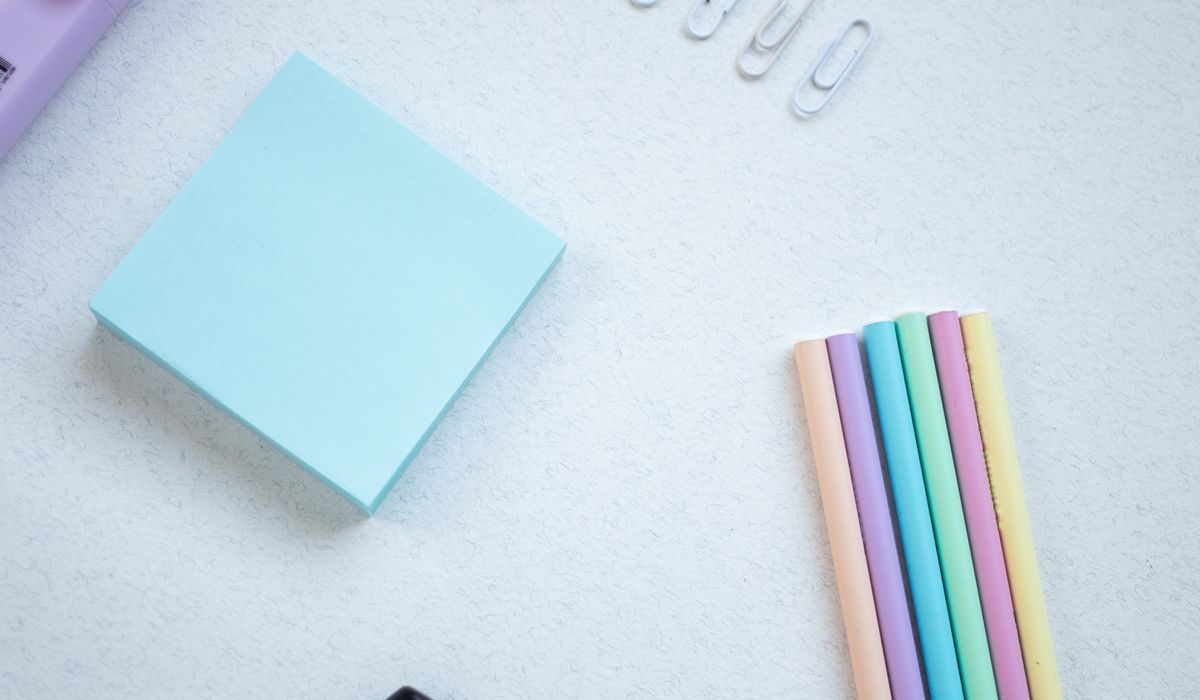
Understanding Paper Weight and Texture for Notebooks
What Paper Weight Actually Tells You
Paper weight is expressed in grammes per square metre, usually shortened to gsm. It sounds technical, but it answers a very simple question: how much does one square metre of that paper weigh? A higher number means a denser, sturdier sheet. It does not automatically mean thicker, because density varies between papers, but for most notebooks the two travel together closely enough to be useful.
As a rough guide, here is what you will meet on the shelf:
- 60–70gsm: Thin and faintly translucent. Fine for a cheap pocket pad, but almost any fountain pen or marker will show straight through the page.
- 80–90gsm: The everyday standard. Perfectly pleasant with ballpoints, pencils and gel pens, and it keeps notebooks slim and light.
- 100–120gsm: The comfortable middle ground. A page that feels substantial without turning your notebook into a brick.
- 140–160gsm: The bullet-journal favourite. Thick enough for mildliners, brush pens and a certain amount of water-based ink without ghosting.
- 200gsm and above: Card-like, heavy and luxurious. Wonderful for ink washes and collage, but a notebook of 200 pages will weigh a great deal in your bag.
One warning: gsm alone will not tell you whether a paper is pleasant. A heavily coated 100gsm sheet can feel thinner than a soft, uncoated 90gsm one. Weight is the starting point, not the whole story.
Texture: Smooth, Satin and Toothy
Texture is where a notebook's personality really lives, and it is the thing most people notice only after they have started writing.
Smooth, coated paper has a sealed surface. Your nib glides, lines stay crisp and fine, and pencil marks sit neatly on top. The trade-off is drying time: slow-drying inks can smudge under a resting hand, and some papers feel almost slippery, like writing on glass.
Uncoated paper has a gentle tooth, a slight drag that many writers find reassuring. It grips pencil beautifully, giving graphite something to cling to, and it tends to absorb ink quickly. Fine nibs and very dry pens can occasionally catch on a rougher sheet.
Laid and ribbed papers carry visible lines from the manufacturing process. They are gorgeous for letters and gift notes, but those ridges can make small, neat handwriting wobble. Lovely to look at, fussy to write on at length.
Matching Paper to Your Writing Tools
This is the most practical decision you will make, so start here rather than with the cover design.
- Ballpoint and pencil: Happy on almost anything from 70gsm upwards. If this is all you use, spend your money on binding quality instead of heavy paper.
- Gel pens: Love smooth paper, dislike fibrous paper that clogs the tip. 90–120gsm with a satin finish is a sweet spot.
- Fountain pens: The fussiest customers. They want ink resistance, minimal feathering and enough density to prevent show-through. Look for 90gsm or above, ideally with a reputation for fountain-pen friendliness.
- Fineliners and markers: Need 120–160gsm to avoid ghosting, and 160gsm or more if you layer colour or use alcohol-based pens.
- Brush pens and light washes: 160–200gsm keeps pages from buckling, though heavy watercolour really belongs in a dedicated art book.
Show-Through, Bleed-Through and Erasing
These three words get used interchangeably, and they should not be.
Show-through (often called ghosting) is when you can see the writing from the reverse of the page. It is annoying but harmless, and it is almost entirely a question of paper density and opacity. Bleed-through is when ink actually soaks through and marks the next page. That is a genuine problem, and it usually means the paper is too absorbent for your ink.
Erasing is the test people forget. A rubber works by abrasion, lifting a thin layer of fibres along with the graphite. On 70–80gsm paper, repeated erasing can scuff the surface, leaving a shiny patch that refuses new ink. On 100gsm and above, the sheet has enough body to take a mistake or two. If you draft, sketch or plan in pencil, this alone justifies going heavier.
Choosing for Journaling, Planning and Sketching
For a daily journal written in pen, 90–100gsm is the sensible default: pleasant to the touch, slim enough to carry, and forgiving of the occasional crossing-out. For bullet journaling, where you are drawing boxes, colouring headings and sticking in washi tape, 160gsm is the widely loved standard because it stops almost everything from bleeding.
For planners, I would argue against going too thick. A planner is a portable object, and 100–120gsm gives you a decent writing surface without a heavy notebook dragging at your shoulder. For sketching and ink work, prioritise texture over weight: a slightly toothy 120–160gsm sheet with a bit of grain will hold graphite and take light washes far better than a glassy one.
Testing Before You Commit
Wherever possible, handle the notebook before buying. Press a thumbnail into a corner of the page. If it dents easily, it will bruise under a firm nib. Hold a page up to the light and look for the shadow of print on the reverse. Flip through and check that the pages lie flat, and that the binding is stitched rather than merely glued if you plan to write near the spine.
If you are ordering online, buy one notebook first rather than three. Test it with every pen you actually use, write on both sides, rub something out, and leave a marker line to sit for an hour. Paper is the one part of a notebook you cannot upgrade later, so it is worth the small experiment. Once you find the weight and texture that suit your hand, you will notice it every single day.


Notebooks
-
Everyday ink colours can improve note taking by separating subjects, highlighting actions and making long writing sessions more visually appealing.

Pens



-

Long established fact that a reader will be distracted
-

Long established fact that a reader will be distracted
-

Long established fact that a reader will be distracted




Journaling
Karla Gleichauf
12 May 2017 at 05:28 pm
On the other hand, we denounce with righteous indignation and dislike men who are so beguiled and demoralized by the charms of pleasure of the moment
M Shyamalan
12 May 2017 at 05:28 pm
On the other hand, we denounce with righteous indignation and dislike men who are so beguiled and demoralized by the charms of pleasure of the moment
Liz Montano
12 May 2017 at 05:28 pm
On the other hand, we denounce with righteous indignation and dislike men who are so beguiled and demoralized by the charms of pleasure of the moment