

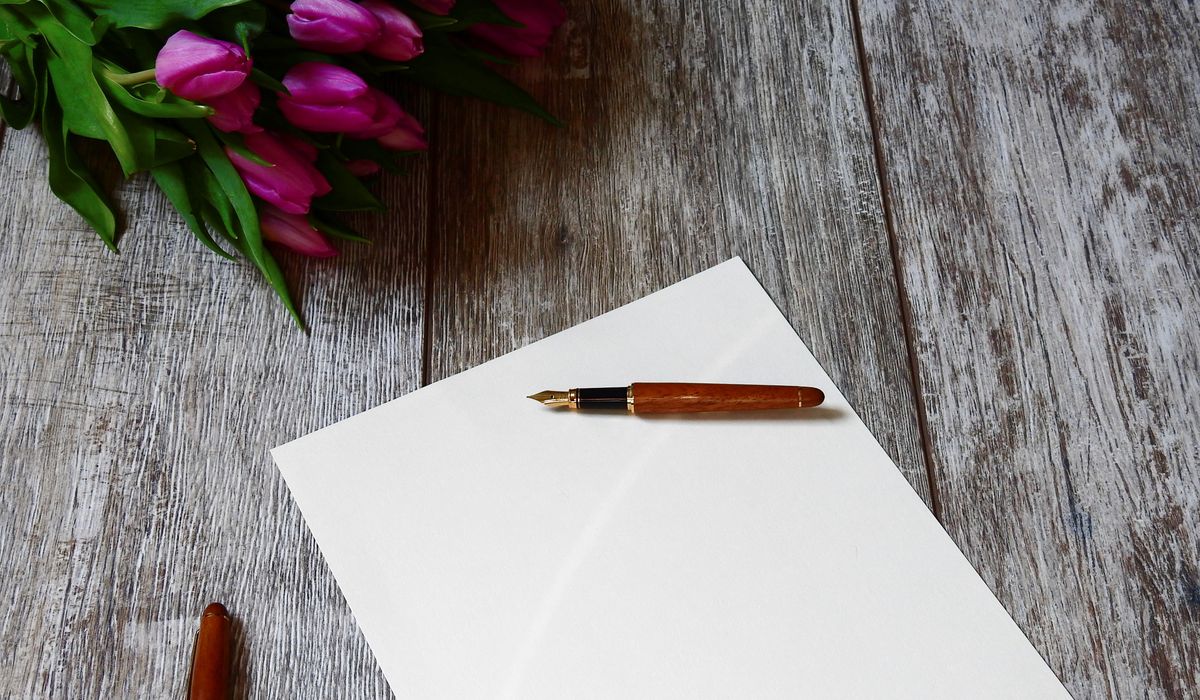
Comparing Dotted, Lined and Plain Notebook Pages
Why the ruling matters more than the cover
Most of us choose a notebook by its cover, its size or the feel of the paper, then discover a fortnight later that the ruling is wrong for the way we actually work. Line spacing that suits a fine fountain nib can feel mean and cramped under a broad italic. A 5mm dot grid that makes a bullet journal sing can look fussy beneath a page of long-form prose. Since a decent notebook lasts you months, it is worth thinking about the ruling before you commit rather than after.
The ruling on a page does three jobs at once. It guides the height and spacing of your handwriting, it offers or withholds a structure for layouts, and it sets the visual texture of the finished spread. Lined, dotted and plain paper each handle those three jobs differently, and none of them is a universal winner.
Lined pages: the dependable default
Ruled paper is the safest starting point, and for good reason. Horizontal lines do the spacing work for you, so handwriting stays level and legible even when you are writing quickly or in a lap. If your journal is mostly written entries, lists, meeting notes or morning pages, lined paper will not fight you.
The detail that matters is the line spacing. Narrow ruling of around 6mm suits small, neat handwriting and fine nibs, and it fits more words on a page. Standard 7mm to 8mm ruling is comfortable for most adults and handles a medium nib without crowding. If you write large, use a broad or stub nib, or like your ascenders to breathe, look for 9mm ruling or wider.
- Good for: long-form journalling, letters, lists, notes, learning a language.
- Watch out for: ruled lines show through under ink washes and make sketching awkward.
- Practical tip: margin lines are useful for dates or indexes, but they can get in the way if you want a full-width spread.
Dotted pages: quiet structure, maximum flexibility
A dot grid gives you just enough guidance to rule a box, draw a chart or keep a heading level, then fades into the background once the page is full. It is the most versatile ruling available, which is why it has become the default for planners, habit trackers, project logs and anything that mixes writing with small diagrams.
Dot spacing is worth checking before you buy. A 5mm grid is the common standard and works well for most handwriting and layouts. A 4mm grid feels finer and more technical, better for small script and detailed charts, but can be busy under dense text. Larger 6mm or 7mm dots suit people who write big or use thick markers.
- Good for: bullet-style journalling, planners, sketch-notes, tables, hand-lettering practice.
- Watch out for: dots are visible in photographs and scans, and they can be distracting for pure prose.
- Practical tip: dots are faint by design, so check them in ordinary room light rather than under a shop's bright lamps.
Plain pages: freedom, with a little friction
Unruled paper is the choice of sketchers, painters and anyone who resents a printed grid telling them where things go. It is the only ruling that lets you work edge to edge, bleed a drawing across a spread, or paste in tickets, pressed flowers and cuttings without lines cutting through the composition.
The friction is real, though. Handwriting drifts downhill without a guide, and a page of prose can end up sloping like a hillside. The usual fix is a guide sheet: a piece of card ruled in dark lines that you slip beneath the page. Choose a card just smaller than your page size, and the lines will show through most papers without marking them.
- Good for: sketching, mind maps, collage, mixed media, watercolour, travel journals.
- Watch out for: inconsistent line spacing, wasted space at the foot of a page.
- Practical tip: pair plain paper with a heavier stock, ideally 120gsm or above, so wet media and glue do not buckle the sheet.
Other rulings worth knowing about
Beyond the big three, a few others deserve a mention. Squared or graph paper, usually 5mm, is excellent for technical sketches, floor plans, cross-stitch charts and anything with a scale. It is less pleasant for prose, since the vertical lines crowd the text. Half-lined paper, with a ruled top and a blank lower half, is a lovely compromise for illustrated journalling and daily diary entries with a sketch. Isometric paper, printed with a triangular grid, is a specialist option for perspective drawing and isometric lettering.
Whatever the ruling, the paper beneath it matters just as much. A 90gsm sheet will cope with ballpoints and pencils but may ghost or bleed under fountain ink and markers. For anything wet, aim for 100gsm or heavier, and check whether the ruling is printed on one side or both. A notebook ruled on both sides is more flexible, but ruling printed on the reverse shows through thin paper.
Matching the ruling to your practice
Before buying, spend five minutes thinking about what you actually did in your last notebook. If most pages were written entries and lists, choose lined. If they were a mix of lists, boxes, dates and the occasional diagram, choose dotted. If they were drawings, clippings and colour, choose plain.
A few practical checks will save you money:
- Write a test paragraph in the shop, or on the first page at home, using the pen you use most.
- Consider how you read your notes later. Dots help you find blocks quickly; lines help you follow long text.
- Think about whether you photograph or scan pages, since ruling shows up strongly on camera.
- If you are torn between two, buy one A5 of each rather than a large hardback, and let a month decide.
The ruling you notice least while using it is usually the right one. Buy accordingly, and your journal will stay a pleasure to open rather than a compromise you tolerate.


Notebooks
-
Regular flushing, careful storage and occasional nib adjustments will keep a fountain pen writing reliably for many years of use.

Pens


-

Long established fact that a reader will be distracted
-

Long established fact that a reader will be distracted
-

Long established fact that a reader will be distracted




Journaling
Karla Gleichauf
12 May 2017 at 05:28 pm
On the other hand, we denounce with righteous indignation and dislike men who are so beguiled and demoralized by the charms of pleasure of the moment
M Shyamalan
12 May 2017 at 05:28 pm
On the other hand, we denounce with righteous indignation and dislike men who are so beguiled and demoralized by the charms of pleasure of the moment
Liz Montano
12 May 2017 at 05:28 pm
On the other hand, we denounce with righteous indignation and dislike men who are so beguiled and demoralized by the charms of pleasure of the moment