

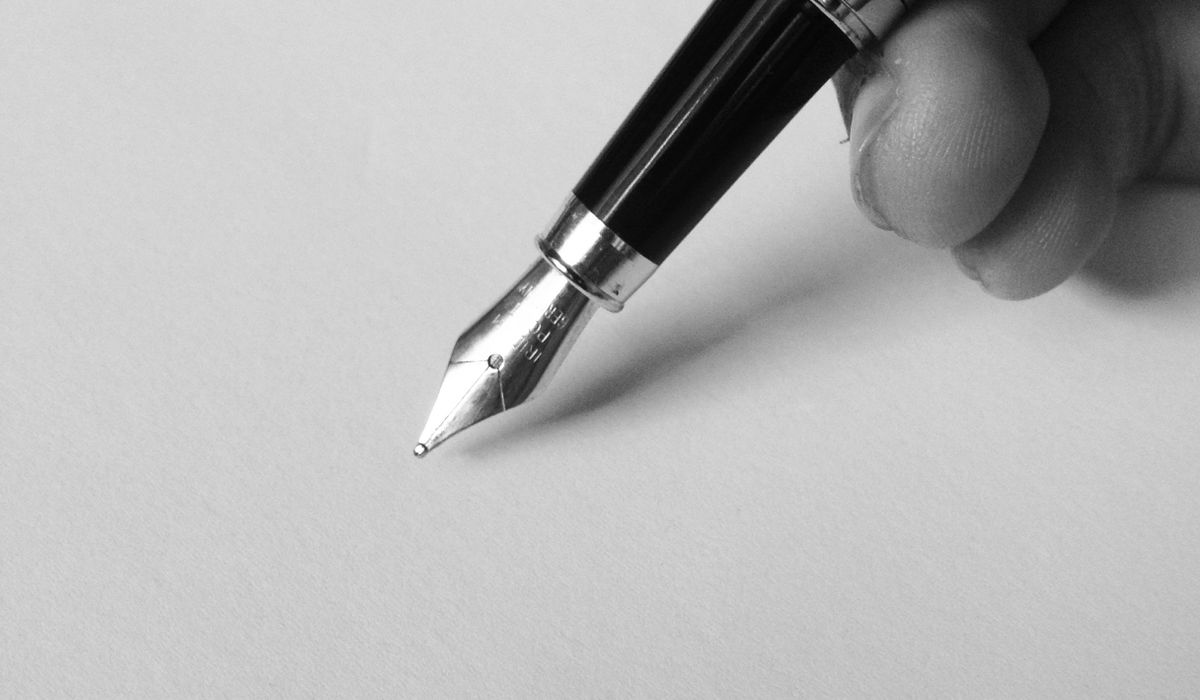
How to Clean and Maintain Your Fountain Pen
Why a Little Care Pays Off
A fountain pen is a wonderfully simple machine — a nib, a feed and a reservoir — but it is also a precision instrument, and ink is more than coloured water. It carries dyes, pigments, surfactants and sometimes tiny particles that settle and dry. Left alone, that residue hardens inside the feed's narrow channels and between the tines, and the smooth, generous flow you loved slowly turns into skipping, hard starts and scratchiness. The good news is that fountain pens respond beautifully to routine care. Fifteen minutes of attention a month will keep a well-made pen writing reliably for decades, and it will spare you the frustration of a pen that refuses to start on the first line of a letter.
Flushing: The Heart of the Routine
Flushing is the single most useful thing you can do. Aim to flush every four to six weeks if you write daily, whenever you change ink colour, and always before putting a pen away.
- Use cool or lukewarm water. Never hot — heat can warp a feed and loosen the adhesive holding a sac or converter.
- Flush until the water runs clear. Draw water in and out through the nib using the converter or a bulb syringe fitted over the section, replacing the water as it darkens.
- Soak stubborn pens. If the water stays inky, stand the nib and section in a glass of water for a few hours or overnight, changing the water occasionally.
- Dry properly. Wrap the nib in a paper towel and stand the pen nib-down for an hour or two so capillary action draws out the last of the moisture.
- Be patient with pigment inks. Some document and waterproof inks need a dedicated flush or a drop of diluted, ammonia-free pen flush; never scrub at the feed with anything abrasive.
Avoid dismantling a pen as a first resort. Most problems clear with water alone, and repeated unscrewing of nib units wears threads and risks misaligning the feed.
Everyday Habits That Keep Ink Flowing
Most of the damage a fountain pen suffers happens in the small moments between writing.
- Cap it when you pause. Even a minute of air exposure can dry the nib enough to cause a hard start.
- Write with a light hand. A fountain pen needs no pressure; the nib glides on its own. Bearing down splays the tines and eventually springs them.
- Choose friendly paper. Very absorbent paper feathers and bleeds, which encourages heavy pressure; a smooth, well-sized paper lets the nib work as intended.
- Keep it away from heat and sunlight. A windowsill or a hot car will dry the ink and can cloud or crack plastics.
- Rotate your pens. A pen left inked and unused for months is the most common cause of a clogged feed.
Storing a Pen Between Uses
Short breaks are easy: keep the pen capped, nib up, in a case or a mug, and it will start first time for a week or so. Longer storage is different, and it is worth doing properly. Flush the pen until the water runs clear, dry it as described above, and leave it empty with the cap off overnight so any residual moisture can evaporate before you put it away.
Store pens horizontally or nib up in a dry, room-temperature place. Nib-down storage invites ink to pool in the cap and eventually leak. Avoid airtight boxes that trap damp — a little ventilation is kinder to hard rubber and vintage celluloid. If you own several pens, a simple fabric wrap or a lined case keeps them separate and prevents scratches from clips and caps knocking together.
Nib Care and Minor Adjustments
Treat the nib as the delicate part it is. Clean it gently with a soft cloth dampened with water, and never use alcohol, acetone or household cleaners, which damage plating and plastic. If a nib feels scratchy, look at the tines with a magnifying loupe before doing anything: they should meet evenly at the tip, with no daylight between them other than the fine slit.
Minor misalignment — one tine sitting slightly higher than the other — can often be eased back with a fingernail, working slowly and checking after each tiny movement. If a pen writes too dry, a brass shim passed carefully along the slit can clear fibres and dried ink. For anything more serious, such as a bent tip or a sprung nib, stop and hand it to a specialist; nib work is skilled, and a heavy hand turns a small repair into a replacement.
When Something Goes Wrong
Most faults point to a simple cause. Skipping and hard starts usually mean dried ink or a nib that has picked up paper fibre — flush and inspect. A pen that blots and floods may have a loose converter, a cracked cartridge or a nib unit that needs a gentle quarter-turn tighter. Ink in the cap suggests the pen has been carried nib-down or jolted in a bag; store it upright in a case. Leaking around the section often follows a sudden change of temperature, as air expands inside the reservoir and pushes ink out.
Run through those basics before assuming the worst. A fountain pen rewards attention rather than force, and the small rituals of flushing, capping and careful storage become part of the pleasure. Look after the pen, and it will look after your handwriting for a very long time.


Notebooks
-
Sustainable journaling habits grow from small, repeatable routines, a comfortable pen and a willingness to write without judging every entry.

Pens




-

Long established fact that a reader will be distracted
-

Long established fact that a reader will be distracted
-

Long established fact that a reader will be distracted




Journaling
Karla Gleichauf
12 May 2017 at 05:28 pm
On the other hand, we denounce with righteous indignation and dislike men who are so beguiled and demoralized by the charms of pleasure of the moment
M Shyamalan
12 May 2017 at 05:28 pm
On the other hand, we denounce with righteous indignation and dislike men who are so beguiled and demoralized by the charms of pleasure of the moment
Liz Montano
12 May 2017 at 05:28 pm
On the other hand, we denounce with righteous indignation and dislike men who are so beguiled and demoralized by the charms of pleasure of the moment